

By: Sahra M.
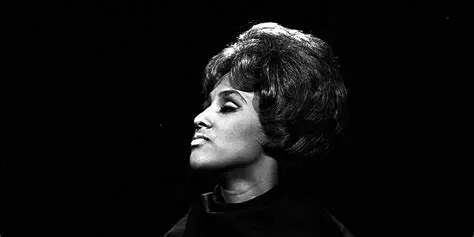
There was something about hearing Darlene Love speak after watching her story unfold on screen that stayed with me.
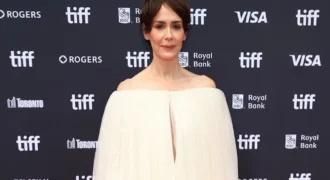
Special Sense was invited to a screening of Darlene Love: I Know Where I’ve Been, where I had the opportunity to speak with Academy Award-nominated actress Taraji P. Henson and director Barry Avrich, and later hear Love reflect on her career from the stage. Watching the film and then hearing Love speak about those experiences in her own words made the evening feel deeply personal. You see what she achieved, but you also see what it took to keep going when things became challenging.
The documentary shows the difficult turn Love’s career took after she had already experienced success as a singer. She eventually found herself struggling to make ends meet. While cleaning someone else’s home, she heard one of her own songs playing.
After having tasted success, Love was now standing in someone else’s house, cleaning, while her own song played in the background. But instead of letting that moment define what she had lost, hearing her own voice became a reminder of what she had already accomplished and what she still had in her.
It was part of what pushed her to give music another chance.
That moment stayed with me because it connects so closely to what Taraji P. Henson told me when I spoke with her about the documentary. As a producer on the film, Henson said she felt that Love’s story needed to be told because, while her voice is instantly recognizable, the woman behind it is not always given the same recognition.
“The woman has been through enough. Her voice is so recognizable, but the face isn’t, and I wanted to do something about that,” Henson said. “I believe she gets all of her flowers. I’m gonna make sure she gets them all.” When I asked Henson how Love’s music had influenced her, she immediately focused on the voice that has remained so powerful throughout Love’s career. “Oh my goodness, her voice. Let me tell you something what blows me away. Yes, we know the Darlene Love from the 1960s, but it’s her voice today that I don’t think people are ready for,” Henson said. “At 85, she is still raising the roof. Like, I don’t think people really understand that. That’s why this story is so important.”
At the screening, Henson spoke more about what the documentary meant to her personally. She recalled watching a rough edit of the film and thinking, “This story is so important.” She also reflected on seeing parts of her own life in Love’s experience. Henson talked about coming to Hollywood with a child on her hip and being told that if she did not make it by 25, she should give up.
“What if I listened to those people?” she said.
That question seemed to stay with Henson as she spoke about Love. She reflected on how easy it can be to believe that your opportunity has passed, especially when other people tell you that it is time to move on. For Henson, Love’s experience is a reminder that sometimes the moment you think your story is over is not actually the end. She spoke about wanting to tell stories that inspire people and give them a reason to get up the next day and keep fighting.
“You are the only one to get in your way. No one can take your dream from you,” Henson said.
Henson also spoke about the importance of Love hearing her own voice again and realizing that she still had something left to give. For Love, that realization became a turning point: “It’s not over for me yet.”
I also spoke with director Barry Avrich, who directed Darlene Love: I Know Where I’ve Been, about the documentary and bringing Love’s story to audiences.
Then Love took the stage.
After watching the film, hearing her speak directly about her life and career made her words land differently. She talked about the gift she believes God gave her and what it has meant to pursue that gift through the highs and lows of her career.
“God is not stingy, and he has given every man a gift. I know he gave me mine,” Love said. “You just have to go out and pursue it with all of your heart, with all your soul.” She did not pretend the road had been easy. Love acknowledged that she had learned something from every difficult experience she encountered in the music business.
“It’s one of the best businesses you could be in, but one of the hardest,” she said. “And you just have to just forge through what you believe in, and just pursue it and not give up.”
Love then spoke about the moments when she could have walked away.
“Many times I could have given up,” she said. “But I would get down, and I would get so low that I couldn’t back up. But that’s what got me where I am today.”
There is something especially moving about hearing Love say that after watching the documentary. She had already known what success felt like. She knew what it was like to have a career in music. And then she found herself cleaning someone else’s home, hearing that same voice come from a song playing in the background.
She could have taken that moment as proof that it was over.
Instead, she listened. And she kept going.
That is what stayed with me after the screening. Love’s story is not simply about everything she accomplished. It is about what she did when the career she had built no longer looked the way it once had, and when giving up might have seemed easier than starting again.
Taraji told me that Love deserves to receive all of her flowers. Sitting in that room, hearing Love speak for herself, I understood exactly what she meant. Sometimes, you have to hear your own voice again before you remember what you are capable of.