
By: Sahra M.
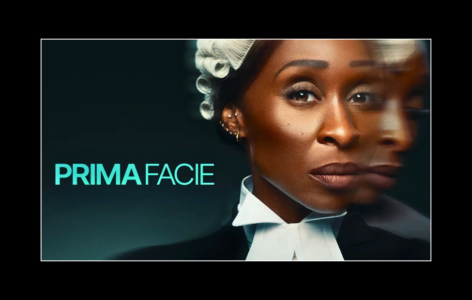
Prima Facie brings a personal story to the screen, focusing on sexual assault, the legal system and the difference between law and justice. The film stars Oscar-nominated actress Cynthia Erivo as Tessa, alongside Daniel Ings. I spoke with director Susanna White about bringing the story from the stage to the screen and what drew her to the project. The original play is a one-woman monologue, performed by Jodie Comer on stage.
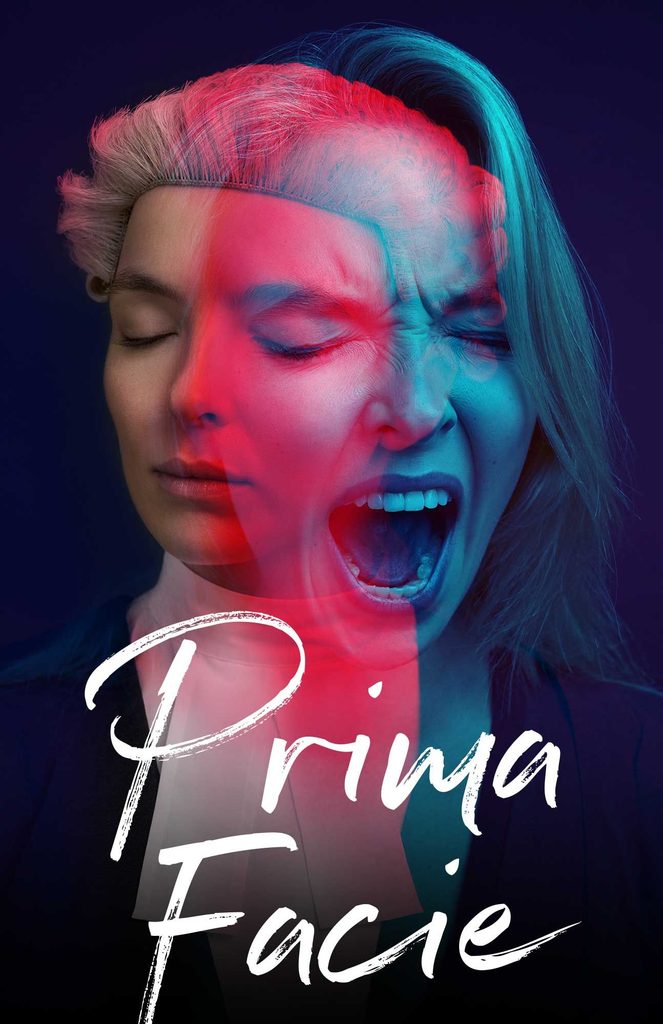
For White, adapting it for film meant finding a way to make the story feel cinematic while still holding onto what made the play so powerful. The film follows Tessa, a successful barrister who is used to defending people accused of sexual assault. Her life changes when she becomes a victim herself, forcing her to experience the legal system from a completely different perspective and question the system she once trusted.
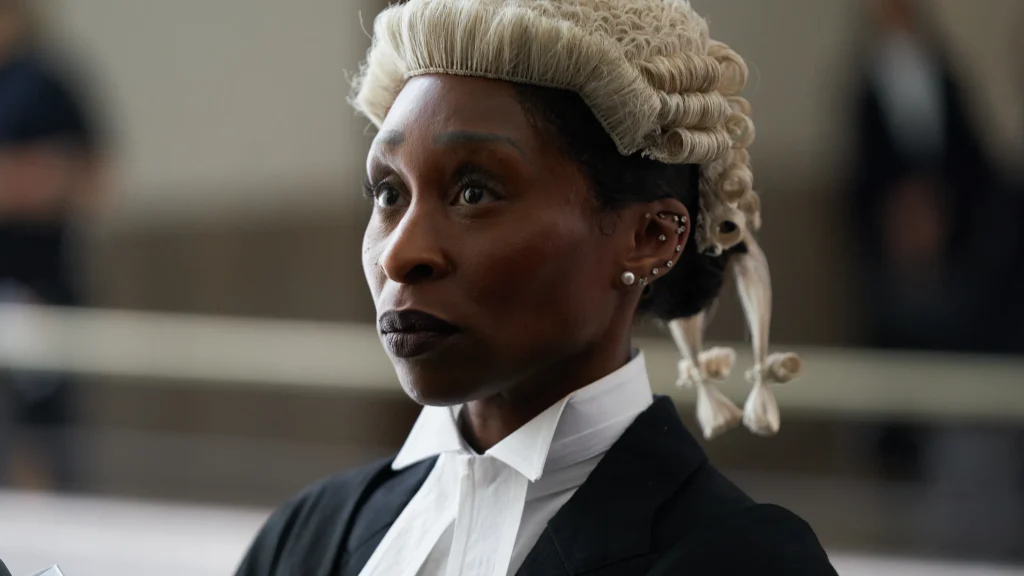
“I was moving it into a whole new art form,” White told me. She wanted to create a film where the story could be told through more than words and dialogue, through images, silence and the looks between people.
White spoke with me about what she hopes people take away from the film, especially those who have experienced sexual assault. She hopes it encourages people to speak about experiences they may have kept to themselves or never fully dealt with. She also wants Prima Facie to start conversations about the legal system and the difference between law and justice, particularly when it comes to how the law responds to sexual assault.
As a writer myself, I was interested in speaking with award-winning Australian playwright and screenwriter Susie Miller, who wrote the original Prima Facie play and adapted it for the screen. Miller is a three-time Tony Award nominee, and I wanted to hear how her approach to the screenplay changed throughout the process of bringing the story to film. I asked Miller what her mindset was like when she first started writing the screenplay and how it changed by the time she finished it.
“The screenplay had more dialogue in it,” Miller told me. But once Cynthia Erivo came on board, she realized there was an opportunity to let the performance communicate things that did not necessarily need to be spoken.
“When we found an actress, we knew we could rely on her face to say so many things, and we could rely on the visual aspects of the courtroom and the people and the nuanced looks between people,” she said. That allowed Miller to take some of the dialogue out while giving the film more room to tell Tessa’s story visually. Her inner voice, however, remained an important part of the film. Miller also wanted audiences to see different sides of Tessa. “We saw the funny side of her. We see the vulnerable side of her. We see the confused side of her,” she explained, adding that there were moments when Erivo’s performance could convey what had originally been written into the script. She also pointed to the contrast between Tessa’s outward appearance and what she may be feeling underneath. “She might be looking really strong and powerful but feeling very vulnerable,” Miller said. For Miller, adapting Prima Facie for film opened up a different way of telling the story. She described working with Erivo and White as “a dream.”
I also asked Miller what advice she would give to writers who want to tell powerful stories of their own. Her answer was simple: don’t be afraid to tell the stories that matter to you.
“Be bold. Be really bold and talk about the stories that matter to you. Don’t try and predict what will be successful. Let’s talk about the stories that matter. Be bold, and fortune favors the bold.”
I also spoke with British actor Daniel Ings, known for Netflix’s The Gentlemen. In Prima Facie, Ings takes on a challenging role opposite Cynthia Erivo, and I wanted to hear how he approached a character whose relationship with Tessa takes the story into much darker territory. I congratulated Ings on the film and asked him what he found most rewarding about playing the character, as well as what proved to be the biggest challenge.
“I think the most important aspect was to make this a guy who was three-dimensional and not sort of a cardboard cutout of a creep the moment he walks on screen,” Ings told me. For Ings, it was important that the character felt like a real person rather than someone the audience could immediately dismiss as a villain. He also pointed to the reality that sexual assault can occur between people who already have a relationship, where there is intimacy, trust and love.
“That also presented the biggest challenge,” he explained. “Building a kind of rapport with Cynthia Erivo, knowing these characters were going to end up in such a tragic, dark place when you first read the script.” That relationship between the characters meant Ings had to establish a sense of connection before the story changed direction. The challenge was not simply playing a difficult character, but creating the dynamic between two people whose relationship leads them somewhere devastating.
I then asked Ings what, when he first read the script, made him decide to say yes to the role.
“There were a lot of reasons to want to play this role and to work with these incredible women and tell this story,” he said. “And there was really only one reason to not want to do it.” That reason was the challenge of going to “those darker reaches of the script” physically and emotionally. Ings decided that the difficulty was part of the reason to take it on.
“In the end, it was simply a case of, like, putting on my big boy pants,” he said. “And if none of the boys were willing to do it, then you can’t tell the story.” For Ings, the opportunity to be part of the film outweighed the difficulty of the role.
“There were one thousand reasons to want to do it, and it’s a privilege,” he said. Before wrapping up our conversation, I asked Ings what advice he would give to upcoming actors who want to challenge themselves with roles like this.
“If you’re feeling like the challenge is the right one, then you just got to do it,” he said. “You just throw yourself into it and create the bandwidth in your life to just be creative with it.” His answer was direct, bringing the conversation back to the importance of telling stories.
“It’s not about anything other than telling stories, and if the story is an important one, just go fucking tell it.”
Through my conversations with Susanna White, Susie Miller and Daniel Ings, I heard three different perspectives on what it took to bring Prima Facie from the stage to the screen.
For White, the challenge was transforming a one-woman stage play into a cinematic story while using images, silence and performances to communicate what could not always be expressed through dialogue. For Miller, adapting her own play meant finding new ways to tell Tessa’s story through film, especially once Cynthia Erivo’s performance allowed certain moments to be communicated through expression rather than words.
For Ings, the challenge came through portraying a complicated character and building a believable relationship between two people before the story takes a much darker turn.
But beyond the process of making the film, the theme of Prima Facie was what stayed with me most. The conversations around sexual assault, the silence many survivors experience, and the difference between law and justice are difficult, but they are conversations that the film asks audiences to have.
One thing White said during our conversation particularly stayed with me. She pointed to the number of women affected by sexual assault, saying, “one in three women are subject to sexual assault.” Hearing that statistic while discussing the film made its message feel even more important to me.
The film also challenges us as a society to be more empathetic toward victims who do come forward and to think about how we respond to them. Coming forward to face a court process, recount what happened and endure scrutiny at a time when they are already going through something is incredibly difficult. That is why the way we respond matters. If someone has found the courage to speak about what happened to them, they deserve empathy and support as they navigate a process that can be difficult enough on its own.
By: Sahra M. Editor-in-Chief
Special Sense Magazine