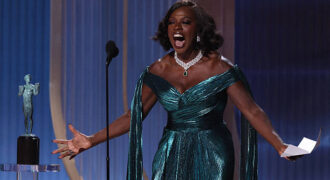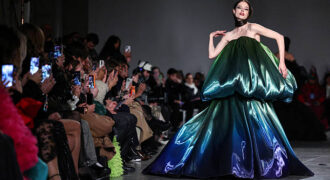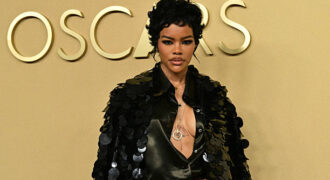

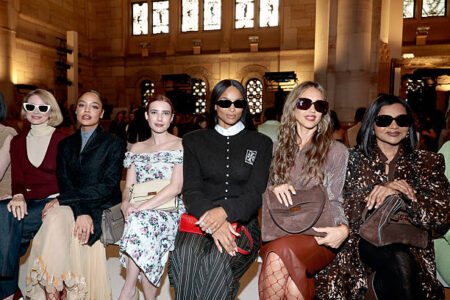
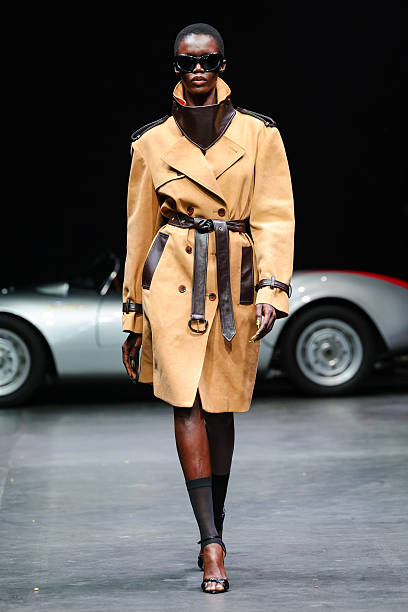
New York Fashion Week will take place from February 11 to February 16 as the first major stop of the Fall/Winter 2026 fashion season. Over six days, designers will present their collections through runway shows and presentations across Manhattan as part of the official Council of Fashion Designers of America (CFDA) calendar. Gotham Hall in Midtown is expected to host several runway shows and industry events, while other designers will use standalone venues, private appointments, and digital presentations throughout the city. The official schedule includes more than 60 designers, combining established labels, returning brands, and emerging talent.
Michael Kors, Carolina Herrera, Tory Burch, Khaite, Coach, Sergio Hudson, LaQuan Smith, Sandy Liang, and Christian Siriano are among the established designers on the Fall/Winter 2026 New York Fashion Week schedule. Their shows remain some of the most closely watched during the week. The schedule also includes several returns and debuts. Proenza Schouler kicks off the calendar under new creative director Rachel Scott, taking over from the brand’s founders. Public School returns after several seasons away, and 7 For All Mankind presents under new creative director Nicola Brognano. Other emerging and independent designers on the schedule include Alix of Bohemia, Cult Gaia, Ossou, and Menyelek. Front row seats at New York Fashion Week always feature big names, and February 2026 promises plenty of star power. Zendaya, Ciara, Teyana Taylor, Tracee Ellis Ross, Rihanna, Serena Williams, Lupita Nyong’o, Naomi Campbell, Naomi Watts, Jessica Alba, and Tessa Thompson are all expected to attend. Top stylists such as Law Roach, Kollin Carter, Jason Bolden, and the Reismans who style rising star Olandria, known for her elegant look and effortlessly chic style, will be in the crowd.
This season will also be the first New York Fashion Week operating under the Fashion Workers Act, supported by the Model Alliance, which provides protections for models and other fashion professionals. The law requires agencies to register with the state and sets rules around contracts, transparency, payment, and harassment reporting. It ensures that models and staff working on runways, presentations, and digital shows have formal safeguards, helping prevent exploitation and giving workers clear ways to raise concerns. The regulations could also influence how designers and agencies plan casting, scheduling, and backstage operations as the week adapts to these standards for the first time, giving workers more security while the city hosts one of the most high-profile fashion events in the world.
By: Sahra Mohamed