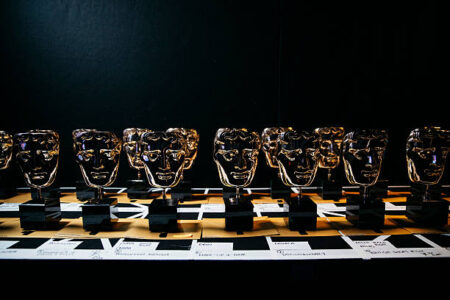
The 79th British Academy Film Awards, held in London on February 22, 2026, were intended to celebrate cinema, but the night became dominated by controversy after a racial slur was broadcast, a political statement was edited out of a winner’s speech, and questions multiplied about how BAFTA and the BBC handled both. During the ceremony, John Davidson, a Tourette syndrome advocate connected to the film I Swear, was seated in the audience. Tourette syndrome is a neurological condition characterized by involuntary motor and vocal tics. A small percentage of people with Tourette’s can experience coprolalia, which can involve involuntary utterances of socially inappropriate or offensive words.
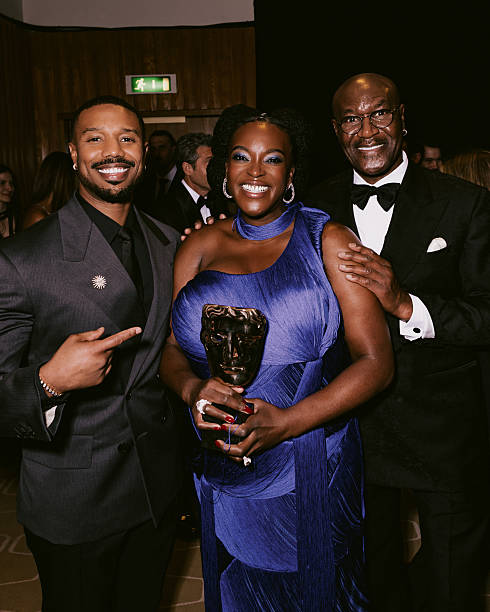
While actors Michael B. Jordan and Delroy Lindo were presenting an award, Davidson’s tics included several audible expletives, including the N-word. The ceremony was broadcast by the BBC on a delay of roughly two hours. The slur was not edited out before it aired. Host Alan Cumming addressed the audience, explaining that some of the language heard was linked to Tourette’s and saying, “we apologize if you were offended tonight.” Critics argued the apology did not fully acknowledge the harm caused by a racial slur being spoken while presenters stood on stage.
Davidson later issued a public statement expressing that he was “deeply mortified,” clarifying that his vocalizations were involuntary and did not reflect his beliefs. He said he left the ceremony early because of the distress caused by his tics. Disability advocates emphasized that Tourette’s is neurological and that coprolalia, when present, is not intentional speech. Many commentators noted that the absence of intent does not erase impact, and that hearing the N‑word broadcast into millions of homes caused real pain for those who have lived with the history of that word’s use. The BBC’s editorial choices were questioned further when it was revealed that other moments had been cut from the televised broadcast.
Akinola Davies Jr and his brother Wale Davies won the BAFTA for Outstanding Debut by a British Writer, Director or Producer for My Father’s Shadow. In his acceptance speech, Davies Jr ended by saying, “To the economic migrant, the conflict migrant, those under occupation, dictatorship, persecution, and those experiencing genocide. You matter. Your stories matter more than ever. Your dreams are an act of resistance to those watching at home. Archive your loved ones. Archive your stories yesterday, today, and forever. For Nigeria, for London, the Congo, Sudan, free Palestine. Thank you.” That entire message including was removed from the BBC broadcast. His full speech is now available online, see below.
Despite these editorial cuts, several other wins by Black artists and filmmakers stood out, achievements that should have been at the center of the night’s conversations. Ryan Coogler’s film Sinners became the most‑awarded movie by a Black director in BAFTA history, earning Best Original Screenplay for Coogler, Best Supporting Actress for Wunmi Mosaku, and Best Original Score. Coogler’s achievements marked a significant moment for Black creatives in British film awards, and Mosaku’s win highlighted her powerful contribution to the film. Akinola Davies Jr’s win in the debut category was celebrated for recognizing new Black British creative talent.
Instead of focusing on the historic wins by Coogler, Mosaku, and the Davies brothers, much of the conversation was about the unedited airing of a racial slur and the BBC’s editorial decisions. Delroy Lindo, speaking to Vanity Fair after the ceremony, said he and Michael B. Jordan “did what we had to do” while presenting but wished “someone from BAFTA spoke to us afterward,” noting that neither he nor Jordan had been contacted directly about the incident in the days that followed. Questions remain about how the broadcast was handled. Who monitored the delayed feed? What rules decide when language should be removed? Why was one statement edited out while another was allowed on air? The events of the night have raised concerns not just about what happened, but about who is responsible when mistakes like this occur.
Google also faced backlash after a Google News push notification about the BAFTA incident included the N-word in full, prompting screenshots to circulate online. Instead of issuing a formal public statement, Google responded under an Instagram post by Oscar-nominated, NAACP Award-winning photographer and creative director Misan Harriman, saying: “This was a mistake, and we’re deeply sorry. This offensive notification went to a small subset of Google app users, and we immediately removed it as soon as we caught it. Our systems should have filtered this out, and we’re working to make sure this doesn’t happen again.” Many Instagram users were appalled that the apology was so limited and not shared publicly, especially given the real impact of the notification on users.
Beyond the Google incident, disability advocates emphasized that Davidson should not be blamed for involuntary tics, while commentators noted that institutions often leave Black people and other communities of color to deal with racism and harm on their own. Taken together, these events showed that both the BBC and BAFTA mishandled the broadcast and its aftermath, raising serious questions about responsibility and oversight.
By: Sahra Mohamed